Tuna Recall At Costco: A Comprehensive Guide To Understanding The Situation - Data from the Centers for Disease Control and Prevention (CDC) indicate that foodborne illnesses affect millions of Americans each year. These illnesses result in significant healthcare costs and lost productivity, underscoring the importance of preventing contamination in the food supply chain. Preventing future recalls requires a proactive approach to food safety. Retailers like Costco must invest in advanced technologies and training programs to enhance their quality control capabilities. Collaboration with suppliers and regulatory agencies is also essential in creating a safer food supply chain.
Data from the Centers for Disease Control and Prevention (CDC) indicate that foodborne illnesses affect millions of Americans each year. These illnesses result in significant healthcare costs and lost productivity, underscoring the importance of preventing contamination in the food supply chain.
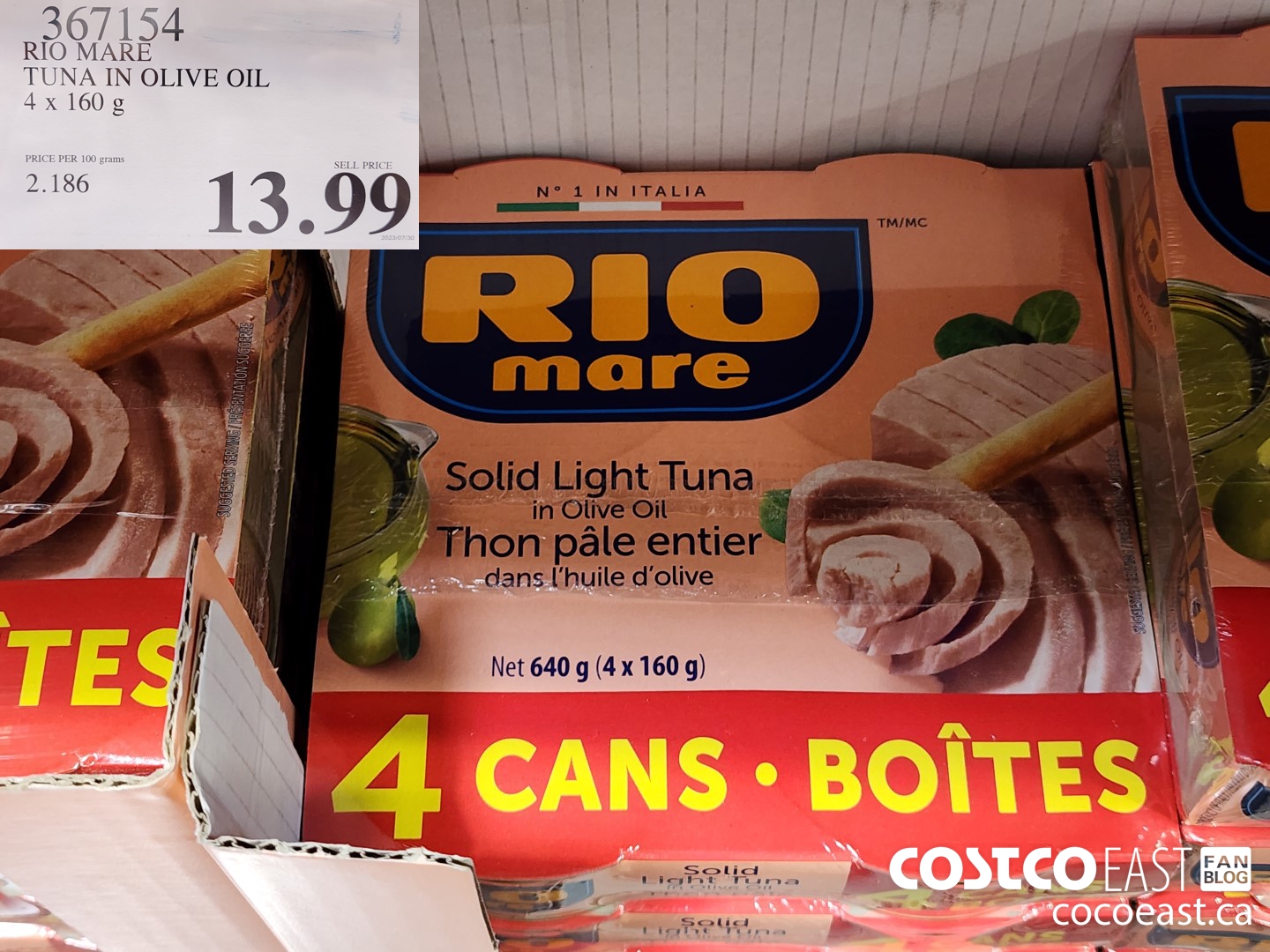
The tuna recall at Costco gained significant attention in the media, raising questions about food safety and quality control. This incident involved specific batches of tuna products sold at Costco locations across the United States. The recall was initiated after reports of potential contamination were brought to light.
Supply chain transparency is crucial in preventing such incidents. The following factors were identified as potential contributors:
:max_bytes(150000):strip_icc()/AR-costco-recall-adobe-4x3-2-096a82eecb80443fb2c3e43547cd9a7f.jpg)
In this article, we'll explore everything you need to know about the tuna recall at Costco, from the initial discovery of the issue to the steps taken to resolve it. Whether you're concerned about your own purchases or simply curious about the broader implications, this guide will equip you with the knowledge to make informed decisions.
Feedback from consumers revealed a mix of reactions:
Regulatory agencies such as the FDA and USDA play a vital role in ensuring food safety. These organizations set guidelines and conduct inspections to minimize the risk of contamination. Retailers like Costco must adhere to these regulations while also maintaining their own internal quality control processes.
We encourage readers to remain informed about food safety practices and to take proactive steps to ensure their own well-being. By following the advice provided in this article, you can minimize your risk of exposure to contaminated products. Please feel free to leave a comment or share this article with others who may find it helpful. Together, we can promote safer food practices and a healthier community.
Additionally, Costco collaborated with regulatory agencies to ensure all necessary precautions were taken. The company conducted thorough inspections of its supply chain to prevent similar incidents in the future.
Consumers can take several steps to protect themselves from foodborne illnesses. Staying informed about recalls and following proper food handling practices are essential for maintaining health and safety. Here are some tips for consumers:
Costco's recent tuna recall has sparked widespread concern among consumers, highlighting the importance of food safety and quality assurance in large-scale retail operations. Whether you're a loyal Costco customer or simply interested in food safety practices, this article will provide a detailed overview of the tuna recall incident. We'll delve into the causes, implications, and steps taken to address the issue, ensuring you're well-informed about the situation.
Retailers like Costco must comply with these regulations while also maintaining their own quality standards. Regular inspections and audits are conducted to ensure adherence to the rules. Non-compliance can result in fines, legal action, or even business closures.
Costco's reputation as a reliable retailer was put to the test, but the company's swift response helped mitigate some of the negative effects. Customers appreciated the transparency and accountability demonstrated during the recall process.